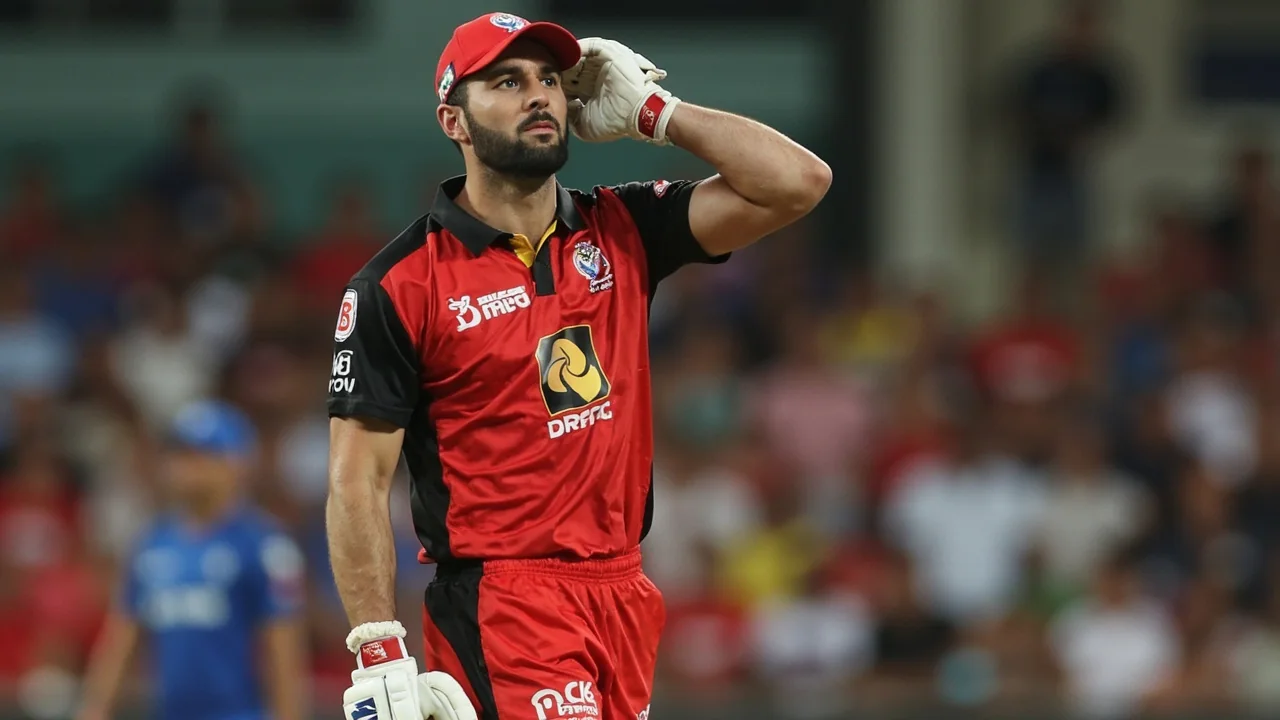
Markram leaves LSG captaincy call to the franchise ahead of IPL 2027
Aiden Markram has said he has not considered leading Lucknow Super Giants in IPL 2027 and will leave the call to the franchise, after Rishabh Pant was moved back to Delhi Capitals following the 2026 season.
The quote and what it tells us
Speaking during his maiden Hundred season with Manchester Super Giants, Markram was asked whether he would be captaining LSG in 2027. His reply was deliberately non-committal. He said he had no idea whether the job was his, and that the franchise was free to decide what it considered best. He added that LSG had several quality leaders on its roster and that whoever received the captaincy would do a good job.
The wording matters for two reasons. First, Markram did not lobby for the role or rule himself out. He passed the decision back to the franchise and pointed at the depth of the leadership group rather than at himself. Second, the framing of "they can decide whatever" sits in a long Indian Premier League tradition of senior players keeping the public messaging neutral while front offices finalise their plans.
What changed at LSG
LSG enters the 2027 cycle without Rishabh Pant as captain. Pant was removed as captain after the 2026 season and traded back to Delhi Capitals, the franchise he represented before his move to Lucknow. The change opened the leadership question several months before the IPL 2027 auction window, which is why Markram's name is already part of the conversation.
Markram has led franchises before. He captained Sunrisers Hyderabad in the IPL, captained South Africa in white-ball cricket, and is currently captaining Manchester Super Giants in The Hundred. His Hundred assignment is the most current piece of evidence on his form and his readiness to lead a T20 side in a high-pressure league.
What he said about The Hundred
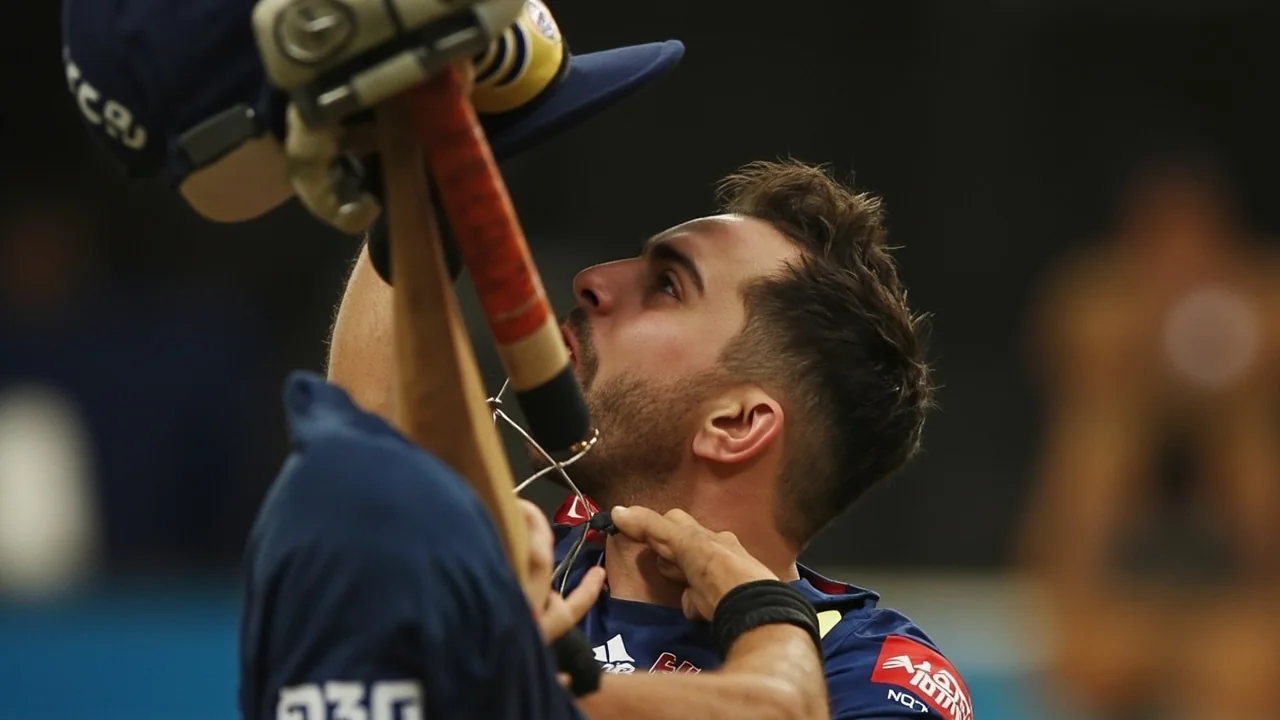
Markram described The Hundred as quicker, more challenging and high-standard than he had expected. He said Jos Buttler had been a steady source of advice, particularly around reading match-ups and managing tempo in the middle overs. The framing was respectful but specific: Buttler was named, and his influence was tied to on-field decisions rather than abstract mentorship.
On his own form, Markram said his first four Manchester Super Giants innings had produced 67 runs in total, a slow start by his standards. His first half-century came against MI London on Sunday. He described the innings as a release, saying it helped him recover some rhythm and flow after a stretch in which he had been struggling for runs.
The sequence is relevant for fantasy readers. A batter moving from 67 runs in four innings to a first half-century is the kind of form inflection that often shows up in ownership numbers the following week, especially when the player is also a captaincy candidate.
One small clarification on form lines: Markram's 67 runs came across his first four Manchester Super Giants innings, not across four completed Hundred matches. The Hundred group stage, with its 100-ball format and quick turnarounds, compresses run-scoring windows in a way that makes early-innings rust more visible than it would be in a longer T20 league. A player who starts slow in The Hundred and finds his timing by the third or fourth outing is not, on the evidence so far, in the kind of slump that travels into a longer T20 league. The Hundred rewards square-of-the-wicket hitting early; the IPL rewards match-up reading across a longer powerplay. The two skill sets overlap, but they do not map onto each other line-for-line.
Fantasy reading for IPL 2027
For fantasy players, the practical takeaway is timing, not prophecy. If LSG names a captain before the IPL 2027 auction, ownership projections will tighten around that player well before the first match. If the franchise leaves the captaincy question open until pre-season, the captain pick on LSG players will be priced like a punt for the first two or three matches.
Captains shape two things on a fantasy roster: the multiplier that turns a 70-point knock into 140, and the field-setting instinct that creates extra dot balls and wicket opportunities for bowlers. A team whose captain is settled by the retention deadline becomes a clean read for both captaincy and vice-captaincy. A team whose captain is settled the night before the auction becomes a noisy read, and noisy reads cost rank. This is the cleanest reason to anchor your team-building calendar around the LSG captaincy call.
For readers building across both small leagues and mega contests, the LSG captaincy question sits in the same risk bucket as any other franchise with a vacant leadership group. Treat the role-player batters in the LSG top order as captaincy-light for the first two or three matches, and treat the all-rounders as captaincy-heavy once the new leader is named. The shift in captaincy weight will show up in ownership percentages first and contest finishes second.
If you want a broader reference on how franchise leadership decisions feed into fantasy pricing, the editorial desk keeps a season-by-season guide to how fantasy cricket works in India, including captaincy scoring, salary caps and contest structure.
Three variables are worth tracking between now and the auction:
- The LSG pre-auction press release. Franchises usually name a captain or a shortlist within a fortnight of the retention deadline. Watch for the wording: a named captain is a signal; a shortlist is a volatility signal.
- The Hundred knockouts. Markram's remaining Hundred innings will move his T20 form line, which in turn moves his IPL price tag. A strong finish in Manchester changes the auction conversation.
- The LSG overseas slots. If LSG retains Markram and one other overseas all-rounder, the captaincy leans towards an Indian batter. If Markram is the only retained overseas leader, the captaincy leans his way.
None of this guarantees Markram the job. It only sharpens the watch-list.
How to read "they can decide whatever"
"They can decide whatever" is not a refusal, and it is not a campaign. It is the same careful framing senior players have used for two decades when a franchise is rebuilding its leadership group in public. The line buys time for the franchise, keeps the player's options open, and avoids a public commitment that could be complicated by trade rumours later in the window.
Markram's full quote, as reported by News18 on 3 August 2026, was that he had no idea whether he would captain LSG in IPL 2027, that the franchise could decide what it considered best, and that LSG had several quality leaders. He added that whoever received the captaincy would do a good job. The decision itself remains with Lucknow.
What to watch next
The next concrete date is the IPL 2027 retention deadline, which falls before the auction window and will force every franchise to publish its retained list. If Markram is on Lucknow's retention list, the captaincy question effectively narrows to him and one or two Indian leaders. If he is not on the retention list, the question closes on its own.
Until then, the cleanest read is the one Markram gave himself: he has not considered the role, the franchise can decide whatever it wants, and the answer will arrive in the retention list rather than in a press conference.
For fantasy players who want to act before the retention list drops, the disciplined move is to leave LSG captaincy slots empty in early draft teams and let the retention news fill them in. Filling them early means guessing who the franchise trusts; filling them late means acting on confirmed information. The window between the retention deadline and the first match is short, but it is the cleanest window the league offers.
Questions fantasy players are already asking
Does Markram's Hundred form change his IPL price?
Probably yes. A first half-century after a slow Hundred start resets the form line. If his next three innings trend upward, his auction base price goes up, and so does his captaincy ownership.
Should fantasy teams captain an LSG player before the captaincy is named?
No. Without a named captain, captaincy on an LSG batter carries the same risk as captaincy on any role-player. Wait for the retention list or the official captaincy announcement.
Is Pant back at Delhi Capitals confirmed?
According to the same News18 report, Rishabh Pant was traded back to Delhi Capitals after being removed as LSG captain following the 2026 season.
How does The Hundred help a fantasy read on IPL 2027?
The Hundred gives a current T20 form line on overseas players who will feature in the IPL auction. Buttler-style high-tempo innings in England usually travel well back into Indian conditions once players have had two or three warm-up matches.
Related reading
Build tonight's team.
Lock your captain before toss with verified download information from the Fantafeat editorial desk.